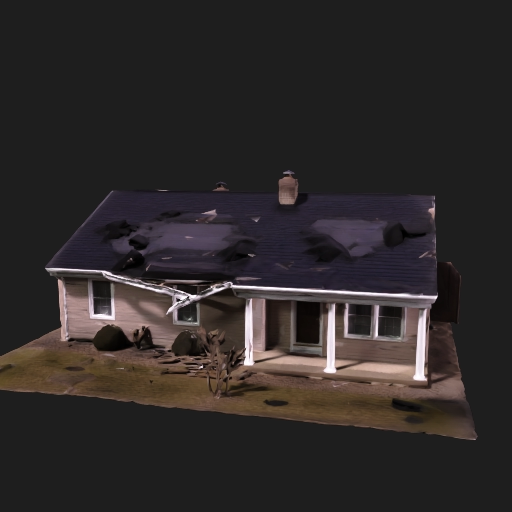
Line items to review
Slope replacement, Ridge cap, Vent replacement, Drip edge, Soft-metal collateral
Claim-specific supplement workflow
TL;DR
SuppX makes hail supplements simple with claim-specific line-item review, documentation requirements, carrier context, FAQs, schema, and a contextual Book a Demo CTA.
Based on SuppX internal planning ranges, many active roofing files deserve review for $2,000–$5,000 in possible missed scope. That is not a guaranteed recovery; the carrier still reviews policy terms and claim facts. SuppX makes the contractor-controlled work simple.
Claim-specific data
Every claim page carries its own line items, documentation requirements, field capture cues, carrier hooks, hardest-hit states, visible FAQs, and schema. No thin claim-type swap.
Slope replacement, Ridge cap, Vent replacement, Drip edge, Soft-metal collateral
Hail map verification, Test-square photos, Collateral damage photos, Slope-by-slope photo labels
Claim guidance is operational content, not legal or public-adjusting advice. Every supplement request should match policy terms, carrier review, and claim facts.
Direct answers
Definition
It is a carrier review request for legitimate roofing scope tied to damage from hailstone impacts to shingles, vents, flashings, gutters, soft metals, and adjacent roofing components. Carrier-ready means evidence is packaged for fast validation. Line-item validation catches commonly missed items like Slope replacement, Ridge cap, and Vent replacement.
Claim-type playbook
Damage from hailstone impacts to shingles, vents, flashings, gutters, soft metals, and adjacent roofing components. When hail files start stacking up, the problem is rarely effort. It is workflow. Based on SuppX internal planning ranges (as of June 2026), many roofing files deserve review for $2,000–$5,000 in possible missed scope; that is not a promised recovery. It is the reason disciplined review matters. SuppX makes the handoff simple so your reps do not spend Friday night rebuilding the claim in Xactimate.
Slope replacement, Ridge cap, Vent replacement, Drip edge, and Soft-metal collateral are the first prompts in the hail supplement workflow. The template does not turn those prompts into automatic charges. It gives the page a claim-specific spine so the supplement request can be built from evidence rather than memory. You might already notice how different that feels from a generic storm page.
Hail map verification, Test-square photos, Collateral damage photos, and Slope-by-slope photo labels form the documentation lane. SuppX organizes these items into a carrier-readable package so the reviewer sees what happened, where it happened, and why the line item belongs in the conversation. The contractor still owns the inspection and business decision. SuppX owns the supplement workflow that keeps the file moving.
Photograph every slope, Label test squares, and Capture gutters and vents are the field cues that help a hail supplement stay clean. When the field team captures the right evidence once, the office does not have to ask twice. The phone stops buzzing. The file moves. The supplement side starts to run itself.
State Farm and Allstate are the carrier hooks for this claim page. The page stays conservative: no carrier is accused of a pattern, no approval is promised, and no statistic is invented. The practical point is simple. Some files need tighter support, and SuppX gives the team a repeatable way to prepare it.
After the hail queue is handed off, the business keeps its rhythm. Salespeople sell. Production builds. The owner sees status instead of chasing it. Three months from now, the same claim type that used to create drag can become part of a clean operating system. That is the frame: SuppX runs the supplement department while your roofing company grows.
The hail template is meant to give a roofing contractor more than a definition. It turns the claim type into an operating lane: field capture, document requirements, line-item review, state links, carrier links, and a CTA that names the actual queue. That is how the page stays useful. It lets a contractor imagine the file moving from inspection to review to follow-up without another internal scramble.
This route uses Slope replacement, Ridge cap, and Vent replacement, Hail map verification, Test-square photos, and Collateral damage photos, Texas, Colorado, and Kansas, and State Farm and Allstate from the dataset row. Those inputs keep the copy claim-specific while the voice stays consistent: we make it simple, we keep it carrier-ready, and we never promise an outcome the claim facts have to earn.
By the time a contractor reaches the CTA, a hail file should feel less like another desk problem and more like a clean operating sequence. The field team captures evidence. SuppX reviews the scope. Missing items are checked against the file. Documentation is packaged. Follow-up gets owned. You can feel the pressure leave the owner’s calendar when the claim type has a repeatable lane instead of a pile of notes.
A roofing company processing real hail volume needs more than a checklist. It needs an operating rhythm that survives busy weeks. Each file should answer the same practical questions: what happened, what was missed, what evidence supports the request, what carrier context matters, and who owns the next follow-up. SuppX makes those questions simple enough for the team to repeat. That repetition is the advantage. It keeps supplement work from becoming another hidden department inside the company.
Claim guidance is operational content, not legal or public-adjusting advice. Every supplement request should match policy terms, carrier review, and claim facts. This keeps every generated claim page useful, compliant, and ready for later route-level citations without inventing facts. Internal estimates are labeled clearly for trustworthiness.
Transparency
Direct answers
It is a carrier review request for legitimate roofing scope tied to damage from hailstone impacts to shingles, vents, flashings, gutters, soft metals, and adjacent roofing components. SuppX keeps the file simple by connecting evidence, line items, and follow-up.
Slope replacement, Ridge cap, Vent replacement, Drip edge, and Soft-metal collateral are the primary review prompts in this dataset row. They must be supported by actual claim facts and documentation.
Hail map verification, Test-square photos, Collateral damage photos, and Slope-by-slope photo labels help the carrier understand the request without chasing scattered context.
State Farm and Allstate appear as planning hooks for this claim type. The page does not claim they always deny or approve; it simply prepares contractors to submit cleaner files.
Texas, Colorado, and Kansas are priority state hooks for this claim type, based on the mission dataset and qualitative storm exposure context.
Yes. SuppX runs the supplement department around hail files: review, evidence organization, Xactimate-ready support, and follow-up while your team keeps selling and building.
Based on SuppX internal planning ranges (as of June 2026), many hail roofing claims show $2,000–$5,000 in possible missed scope. This is a conservative internal estimate. Outcomes depend on facts and carrier review.
Accurate field notes, test squares, photos with labels, and timeline records allow SuppX to build a clean package quickly and reduce follow-up cycles.
Carrier-ready documentation clearly maps field evidence (photos, notes, scope) to Xactimate line items with proper descriptions, quantities, and supporting details that align with the carrier's review standards. SuppX packages this so adjusters can validate quickly without back-and-forth.
Validation checks each line item against the original scope, photos, production notes, code requirements, and carrier guidelines. SuppX systematically reviews for missed items like drip edge, flashings, ventilation, O&P, and documentation gaps before the file is submitted.
Most carriers want clear before/after photos, marked-up scopes, material invoices, code upgrade notes, and a narrative that explains why additional work is necessary. SuppX organizes these into a consistent, easy-to-review package.
Make hail files simple
You have hail claims, evidence to organize, and a team that should stay focused on revenue. Book the hail demo and see how simple the file feels when SuppX runs the supplement department around this claim type.
Book a Hail DemoHail claim context for Texas roofing contractors.
Hail claim context for Colorado roofing contractors.
Hail claim context for Kansas roofing contractors.
Carrier-specific documentation context for State Farm files.
Carrier-specific documentation context for Allstate files.
How SuppX runs the supplement department for claim volume.