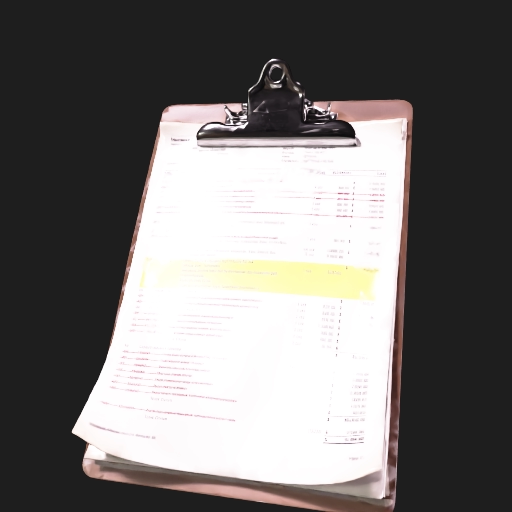
Common line-item review
Starter strip, Pipe boots, Step flashing, Collateral soft-metal damage, O&P context
Carrier-ready supplement workflow
TL;DR
SuppX makes Allstate roofing supplements simple with carrier-ready documentation, line-item review, and follow-up discipline for hail and wind claims.
Based on SuppX internal planning ranges, many active roofing files deserve review for $2,000–$5,000 in possible missed scope. That is not a guarantee; Allstate still decides based on policy terms, review, and claim facts. SuppX makes the contractor-controlled part simple.
Carrier-specific data
Every carrier page carries its own missed line items, documentation habits, internal-estimate approval context, and brand-safety note. No unauthorized logos. No fake certainty.
Starter strip, Pipe boots, Step flashing, Collateral soft-metal damage, O&P context
Before/after photo labels, Material invoices, Trade sequencing notes
Internal estimate: Allstate files often benefit from disciplined scope explanation and photo-to-line-item matching.
Direct answers
Definition
Carrier-ready documentation clearly maps field evidence (photos, notes, scope) to Xactimate line items with proper descriptions, quantities, and supporting details that align with the carrier's review standards. SuppX packages this so adjusters can validate quickly. This is the foundation of the carrier-ready / line-item cluster.
Carrier workflow
Roofing contractors handling Allstate files usually do not need another complicated tool. They need the supplement lane to run. Based on SuppX internal planning ranges (as of June 2026), many roofing claims deserve review for $2,000–$5,000 in possible missed scope; that is not a guarantee, and Allstate still reviews every file on its facts. The opportunity is operational: one clean handoff, one disciplined review, one carrier-readable package, and a queue that stops stealing time from your best people.
Large national carrier with many storm-market roofing claim files. The dataset row stores common missed line items, documentation patterns, brand-safety rules, state links, and claim-type links. That means the page can be regenerated idempotently while still sounding specific. No paragraph has to pretend Allstate is every other carrier. The copy stays conservative, useful, and grounded in roofing supplement operations.
Starter strip, Pipe boots, Step flashing, Collateral soft-metal damage, and O&P context appear in the Allstate review prompts because roofing scopes can miss components when storm volume is high or evidence is scattered. SuppX does not invent scope. It organizes the claim file so legitimate requests are easier to evaluate. And as you read this, you might already picture how much simpler the week gets when every line item has a photo, a note, and a reason.
Before/after photo labels, Material invoices, and Trade sequencing notes are the operating details that turn a supplement from a loose request into a cleaner review package. Carrier-ready means the evidence, line items, and notes are packaged so the carrier can validate quickly. The contractor still owns inspection and production. SuppX owns the documentation and follow-up lane.
Internal estimate: Allstate files often benefit from disciplined scope explanation and photo-to-line-item matching. This sentence is deliberately labeled as an internal estimate because good SEO cannot be built on fake certainty. The right promise is simpler and stronger: SuppX improves the contractor-controlled work around Allstate supplements — review, documentation, Xactimate-ready support, and follow-up.
Three months from now, your team can feel the difference. Allstate files arrive, get reviewed, get packaged, and move into follow-up without becoming another owner-level interruption. The Friday queue thins out. Salespeople stay in the field. Project managers stop becoming part-time estimators. SuppX runs the supplement side, and the business keeps moving.
The Allstate page is designed to render more than a carrier mention. It gives the route a full operating lane: claim-type links, state links, missed-line-item prompts, documentation guidance, brand-safety rules, and a contextual CTA. The contractor reading it should feel the old complexity getting quieter. The carrier still decides the claim. The policy still matters. The facts still matter. But the contractor-controlled work becomes more orderly, more visible, and easier to hand off.
Every Allstate section pulls from the carrier dataset row instead of relying on boilerplate. The page references Texas, Florida, and Illinois, hail and wind, Starter strip, Pipe boots, and Step flashing, and Before/after photo labels, Material invoices, and Trade sequencing notes to make the content specific. That is the system: structured data, smooth voice, no fake numbers, and a simple promise that SuppX runs the supplement department.
By the time a contractor reaches the CTA, the Allstate file should feel less like a carrier mystery and more like a manageable operating sequence. Scope comes in. Photos get organized. Missed line items get reviewed. Documentation patterns get attached. Follow-up has a lane. The page uses quiet confidence because high-volume roofing owners do not need hype; they need the sensation of control returning. You can almost hear the office get quieter when the next Allstate file has somewhere to go.
A $5M–$50M+ roofing company cannot afford to treat Allstate supplements like side work. Every unclear file creates another conversation, another status check, another small interruption that compounds across the week. SuppX gives that work a department shape. The page copy mirrors that shape: what is reviewed, what support is gathered, where the file links next, and why the CTA belongs to this carrier context. It is calm because the workflow is calm. It is specific because the row is specific. It is simple because the contractor should feel the next step before they have to think about it.
Use Allstate as text only. No logo asset. Carrier page copy uses wordmarks only and no unauthorized logos. Approval language is labeled as an internal estimate and never a guarantee. This keeps the programmatic system useful without drifting into unsupported claims, unauthorized branding, or spammy carrier pages.
Transparency
Direct answers
Treat every Allstate file as a documentation problem first. SuppX reviews legitimate missing roofing scope, ties photos to line items, and keeps the follow-up rhythm simple without promising a carrier outcome.
The Allstate dataset row prioritizes Starter strip, Pipe boots, Step flashing, Collateral soft-metal damage, and O&P context. These are review prompts, not automatic approvals; every line item must match the claim facts.
Use Allstate as text only. No logo asset. The programmatic page uses text references only and avoids unauthorized branding.
Before/after photo labels, Material invoices, and Trade sequencing notes help make the file easier to understand. SuppX packages that support so the request reads like a clean claim file, not scattered notes.
No. Allstate decides based on policy terms, review, and claim facts. SuppX makes the contractor-controlled part stronger: evidence, line-item clarity, and consistent follow-up.
Hand them off when the queue slows sales, when reps are editing estimates at night, or when storm volume makes every follow-up feel urgent. SuppX makes that department simple.
Based on SuppX internal planning ranges (as of June 2026), many roofing claims deserve review for $2,000–$5,000 in possible missed scope. This is a conservative internal estimate, not a guarantee. Approval depends on policy terms, claim facts, and carrier review.
SuppX reviews for legitimate line items, aligns photos and documentation to patterns common for Allstate, packages the request cleanly, and maintains follow-up visibility so the file moves without owner-level chasing.
Carrier-ready documentation clearly maps field evidence (photos, notes, scope) to Xactimate line items with proper descriptions, quantities, and supporting details that align with the carrier's review standards. SuppX packages this so adjusters can validate quickly without back-and-forth.
Validation checks each line item against the original scope, photos, production notes, code requirements, and carrier guidelines. SuppX systematically reviews for missed items like drip edge, flashings, ventilation, O&P, and documentation gaps before the file is submitted.
Most carriers want clear before/after photos, marked-up scopes, material invoices, code upgrade notes, and a narrative that explains why additional work is necessary. SuppX organizes these into a consistent, easy-to-review package.
Make Allstate files simple
You have Allstate files, carrier-ready documentation to keep clean, and reps who should not be chasing Xactimate notes at night. Book the Allstate demo and see how simple the supplement department feels when SuppX gives that carrier queue a lane.
Book an Allstate DemoClaim-type supplement context for hail files connected to Allstate roofing reviews.
Claim-type supplement context for wind files connected to Allstate roofing reviews.
Texas supplement context for Allstate roofing files.
Florida supplement context for Allstate roofing files.
Illinois supplement context for Allstate roofing files.
Core storm supplement workflow used across carrier files.
Definition, core criteria, and what carriers actually review on first pass.
5-point validation framework, step-by-step process, and evidence standards.
Weak vs carrier-ready comparison, carrier patterns, and repeatable checklist.
Proof-first workflow for clean claim narrative and review-ready packets.
Commonly missed accessories and documentation that survive validation.
All content uses plain text, visible facts, and rich schema for answer engines.